- patent application from UI and Landspítali University Hospital in progress
A discovery by scientists at the University of Iceland and Landspítali University Hospital has revealed the possibility of diagnosing genetic disorders using a smartphone. The technology that originally led to the creation of smartphones was developed through basic research in universities. This new solution uses AI that can diagnose at least one rare genetic disorder by analysing fingerprints. Automated fingerprint analysis is used to generate results that are believed to be very reliable. Scientists have developed a specialised app, and the idea has now been approved for patent protection. The team also recently published a paper in the journal Genetics in Medicine Open, explaining what they have discovered.
The scientists began by working on diagnosing a disease called Kabuki syndrome, which is known to cause atypical fingerprint patterns. People with Kabuki syndrome may have mild to moderate intellectual disabilities, growth delays, heart defects, visual and hearing impairments, as well as communication difficulties.
“We developed an app for smartphones that collects fingerprints, as well as other important information such as age, sex, ethnicity and genetic mutations, if known, and compared the data from individuals with Kabuki syndrome to the fingerprint patterns of the control group,” explains Lotta María Ellingsen. Lotta is professor of medical image analysis at the UI Faculty of Electrical and Computer Engineering and led the team responsible for this discovery along with Hans Tómas Björnsson, professor at UI and senior consultant in clinical genetics at Landspítali University Hospital.
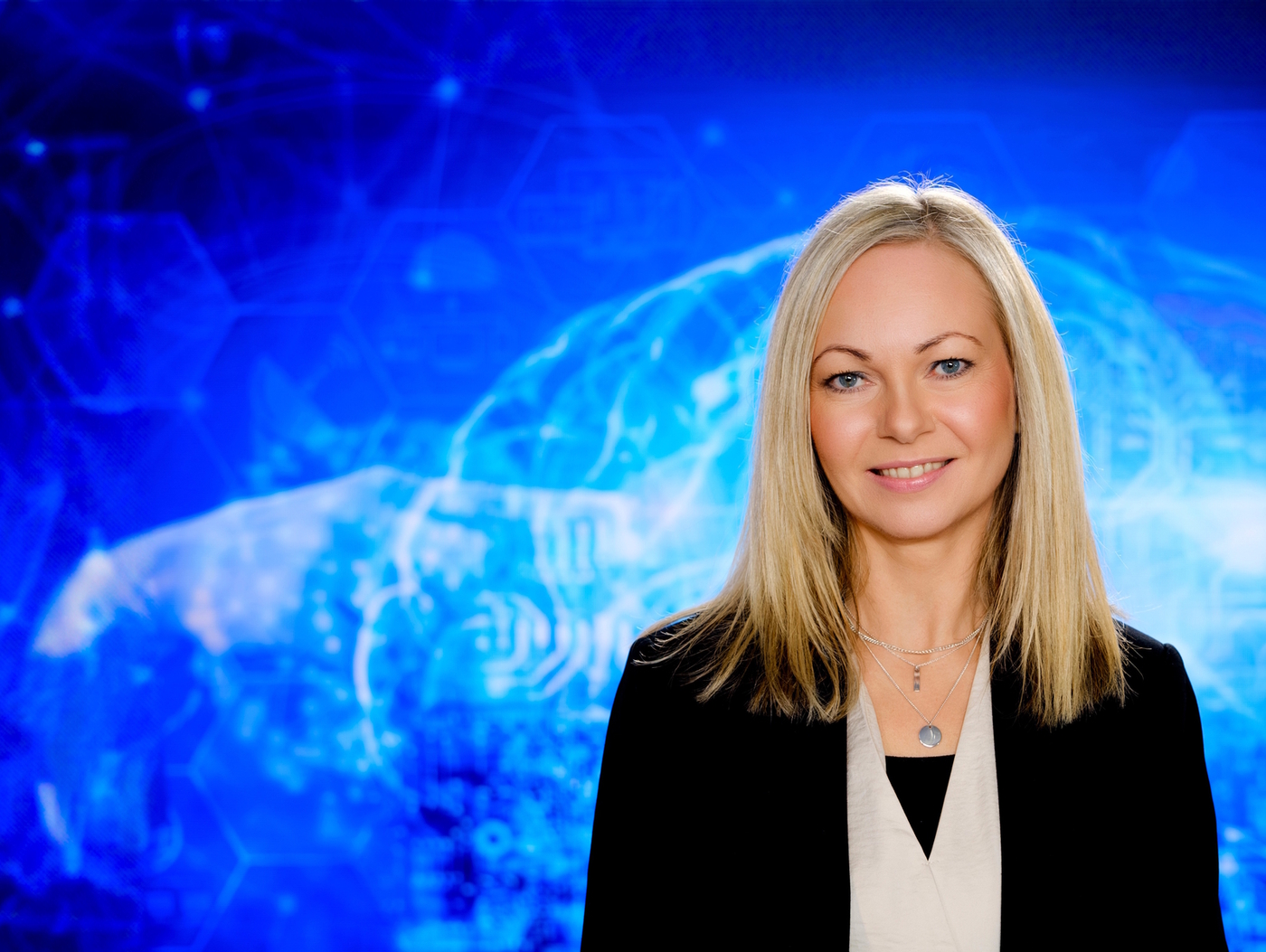
Lotta María Ellingsen.
Lotta explains that the team’s research confirmed using two independent methods that fingerprint analysis can be used to diagnose Kabuki syndrome, which is the first step towards potentially using smartphones and AI to help diagnose other genetic disorders.
“We tested two methods of distinguishing between the two groups: logistic regression and convolutional neural networks. These methods use different data to produce a diagnosis, based solely on fingerprint images, and both methods successfully distinguished between individuals with Kabuki syndrome and the control group with a reasonable degree of accuracy.”
Innovation and a successful patent application
The Strategy for UI places particular emphasis on innovation in research. “This project has generated the world’s first diagnostic tool based on automated fingerprint analysis. This is technology based on an old field of study that has not managed to make much headway except for the purposes of personal identification. So this is a new application for a method that the public are very familiar with and use in their daily lives, which could revolutionise the diagnosis of genetic disorders and, in the future, enable diagnosis of genetic disorders using mobile apps,” says Lotta.
“Our initial findings show that we can use advances in automated analysis using AI to get clinical value from fingerprints. The end goal would be to develop a simple mobile app that can be paired with a fingerprint scanner and used to diagnose certain genetic disorders, such as Kabuki syndrome, improving access to genetic analysis in places where there is a lack of specialist knowledge and/or genetic testing, for example due to poverty, in rural areas, or because of other factors.”